When should I schedule my first antenatal visit for pregnancy care?+
Ideally, you should schedule your first prenatal consultation around 6-8 weeks after your last menstrual period. Early consultation allows Dr. Shweta to prescribe crucial supplements (like folic acid), perform an early viability ultrasound scan, and establish a personalized, healthy start to your pregnancy journey in Jaipur.
What conditions classify a pregnancy as "high-risk"?+
A pregnancy is considered high-risk if maternal factors such as pre-existing hypertension, thyroid disorders, severe anemia, or a history of recurrent pregnancy loss are present. Gestational complications—such as preterm labor, breech presentation, or the umbilical cord around the baby's neck—also necessitate our specialized high-risk management and advanced fetal screening protocols.
What should I do to have a normal vaginal delivery?+
To increase your chances of a normal vaginal delivery, focus on maintaining a healthy pregnancy diet, staying physically active with safe exercises like prenatal yoga or walking, and attending all scheduled antenatal checkups. Managing your weight gain, staying hydrated, and staying relaxed through breathing exercises also greatly support your body's preparation for natural labor.
What are the common indications of a cesarean section?+
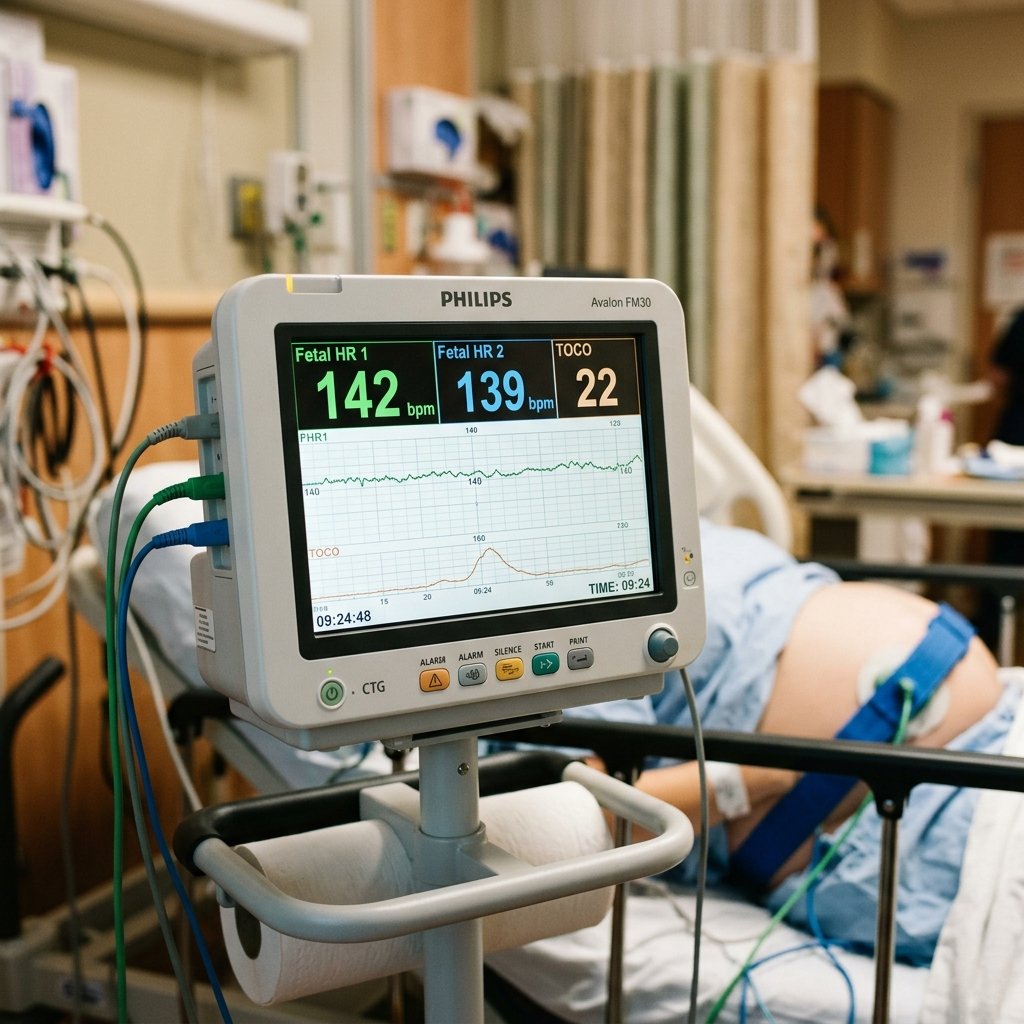
A cesarean section (C-section) is typically recommended when a vaginal delivery poses a risk to the mother or baby. Common indications include fetal distress during labor, abnormal baby positions (like breech or transverse), a previous C-section history, multiple pregnancies (twins), placenta previa, or stalled labor. Dr. Shweta will always discuss these indications with you to ensure the safest delivery possible.
What are the benefits of Laparoscopic (keyhole) surgery over open surgery?+
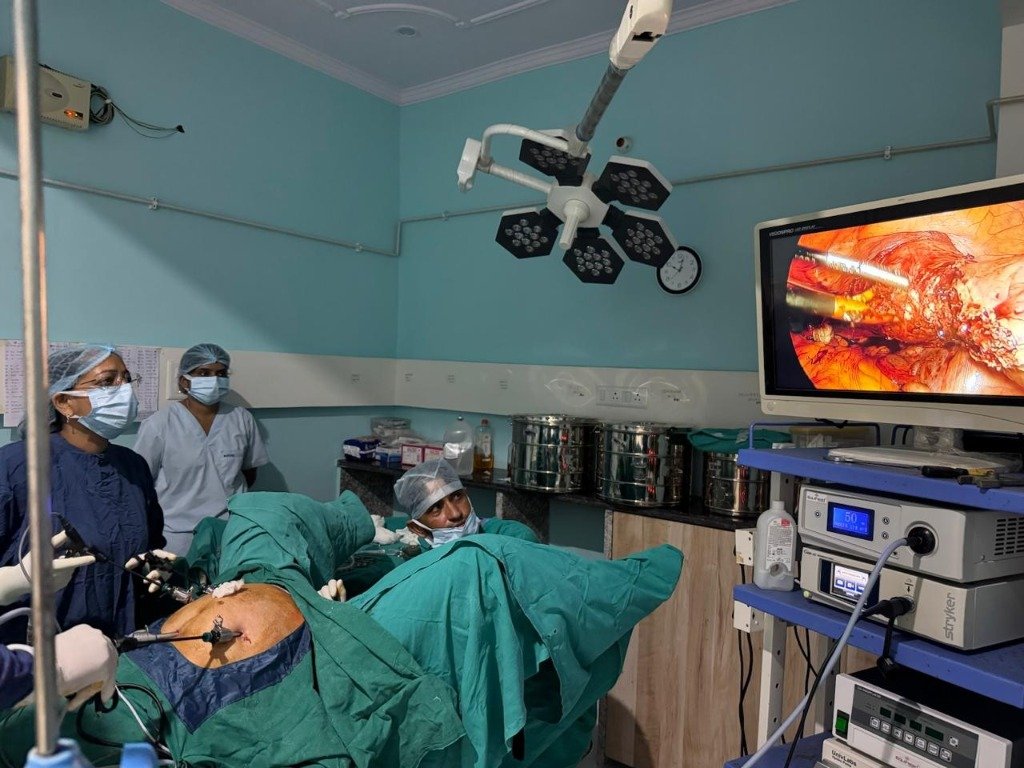
Laparoscopy is an advanced, minimally invasive surgical technique we use for ovarian cyst removal, treating ectopic pregnancies, and performing hysterectomies (TLH). Compared to traditional open surgery, it provides significantly less postoperative pain, minimal abdominal scarring, much shorter hospital stays, and a rapid return to your normal daily activities.
Do you offer permanent and temporary family planning options?+
Yes. We offer comprehensive, confidential counseling and medical procedures ranging from temporary, long-acting reversible contraceptives (such as Cu-T and Mirena IUD insertion/removal) to permanent surgical solutions like tubectomy. The ideal choice is personalized based entirely on your health profile and long-term family planning goals.
How do you treat heavy menstrual bleeding (menorrhagia) and uterine fibroids?+
Management for heavy bleeding or painful periods is highly personalized. Depending on the severity of the menorrhagia, or the size and location of uterine fibroids or adenomyosis, treatments can range from simple medical management and hormone-releasing IUDs (Mirena) to advanced surgical interventions like hysteroscopic polyp removal or laparoscopic myomectomy.
Why are Level 2 Anomaly Scans and Growth Scans necessary?+
Thorough antenatal screening is crucial for fetal health. A Level 2 Anomaly scan (performed around 18-22 weeks) meticulously examines the fetus's anatomical development to rule out structural anomalies. Growth scans later in the third trimester monitor the baby's size, amniotic fluid volume, and overall well-being, allowing us to safely plan for a normal delivery or cesarean section.
Is Vaginal Birth After Cesarean (VBAC) possible?+
Yes, VBAC can be a safe and successful option for many women with a previous cesarean section. Dr. Shweta meticulously evaluates your prior surgical history, the reason for your previous C-section, and your current pregnancy health to determine if you are a strong candidate for a safe vaginal delivery.
What does an infertility evaluation involve?+
Our infertility diagnostic process involves a comprehensive hormonal profile, ovulation tracking, and detailed ultrasound imaging to check for PCOS, cysts, or blocked fallopian tubes. From there, we create a step-by-step treatment plan that may include ovulation induction or diagnostic hysteroscopy to optimize your chances of natural conception.